
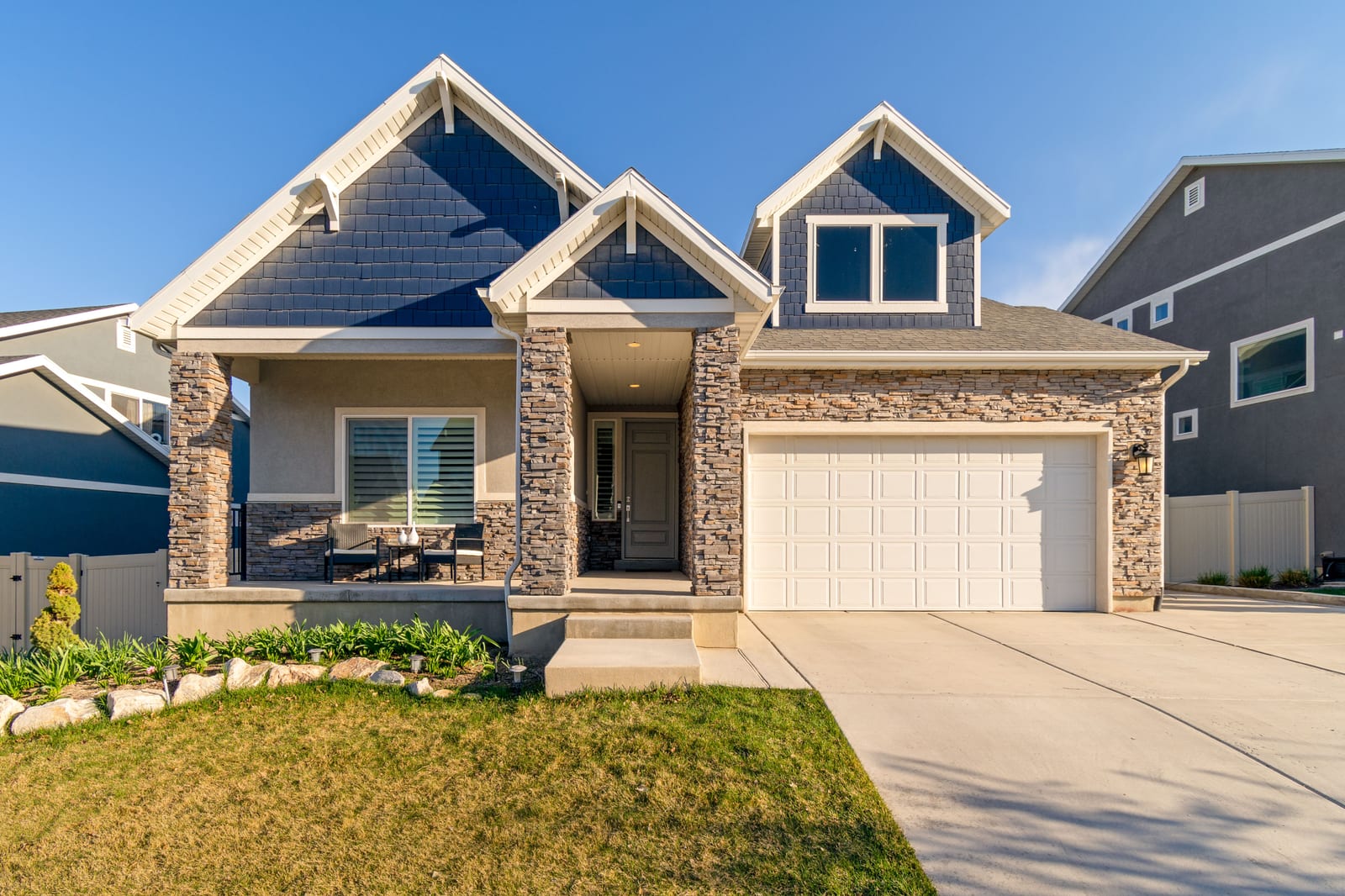
A pest inspection should account for the building you actually live in. Pest control in Lindenau, Edison Township, NJ, may involve an older foundation, altered utility connections or access shared between households. Begin with the evidence rather than the age of the house: an insect sample, damaged material, repeated sightings or a visible opening. An exterminator can then explain which parts of the building deserve closer attention and which observations do not establish an infestation.
Call (844) 716-0718 about your Lindenau concern. Confirm service at your address, the provider and the terms before arranging an inspection.
Lindenau pest control and the neighborhood's building history
The Edison Township 2024 Master Plan includes Lindenau among neighborhoods that developed in the early twentieth century. That history makes previous alterations a sensible inspection topic. It does not mean your house has its original framing, that every building is the same age or that old wood automatically contains pests.
If your home has been renovated, describe additions, replacement plumbing and changes to basement rooms. A line entering through an earlier wall opening can leave an inspection question even when the surrounding room looks finished. Ask whether access panels, a crawl space or exposed framing would help identify the problem. Do not remove wall finishes on speculation. Start with the visible evidence and the areas that can be examined safely.
Two-family properties need a clear access plan
The same township plan notes areas in Lindenau with two-family homes and lots that do not meet the zoning district's minimum size requirements. This gives you a second, distinct local housing consideration: there may be more than one household involved in the building. It does not describe every Lindenau property, and a zoning discussion is not a pest assessment.
When access is shared, clarify who can authorize basement, attic and exterior inspection. Tell the provider which spaces belong to your household and whether utility equipment serves more than one unit. Keep food-storage and kitchen observations separate from common-area observations. A plan should explain what can be addressed inside your residence and what needs cooperation from another owner, tenant or manager. That distinction helps avoid work that stops at an arbitrary doorway.
Call (844) 716-0718 to discuss a single-household or shared-building inspection. Mention any access restrictions at the start.
What an exterminator in Lindenau should ask about wood
Damaged wood does not identify the pest by itself. Carpenter ants, termites, decay and other conditions can leave different evidence. Note where you found the material, whether it is damp and whether nearby insects are intact enough to identify. Do not turn a building-history fact into a diagnosis. Ask for the observations supporting any recommendation to investigate further.
The termite inspection information helps you prepare questions about shelter tubes, winged insects and concealed structural areas. The carpenter ant control page provides a separate starting point for ant identification and moisture concerns. Those are different pest questions. Your Lindenau exterminator discussion should establish which one applies before selecting treatment or suggesting that damaged material proves an active colony.
Small utility gaps deserve careful inspection
The Centers for Disease Control and Prevention says mice can fit through a hole 1/4 inch in diameter. Use that physical measurement to understand why a narrow utility gap can matter. It is not a count of mice in Lindenau, and it does not show that any particular penetration is being used.
Look where pipes, cables and vents meet accessible walls. Check door edges from a safe standing position. In an older or modified building, the intended function of an opening may not be obvious. Ask before sealing an area that could provide ventilation, drainage or access for equipment maintenance. Repairs should use suitable materials and should be coordinated with any removal work. Pest treatment cannot substitute for a leaking pipe or a damaged exterior opening.
Make your observations easy to use
Write down the affected rooms and when activity occurs. If you see ants, note their route before wiping it away, and tell the inspector what products you have already used. Photograph insects beside a size reference without handling an unknown specimen. For suspected rodent signs, leave waste undisturbed and keep people and pets away; do not dry sweep or vacuum it.
Arrange safe access without dismantling the building. Clear an inspection path along basement storage and make exposed utility connections visible where practical. If you cannot enter a room, state that clearly rather than guessing what is inside. A provider can then describe the inspection limits and tell you whether another visit or authorized access would be needed. Useful preparation should improve the evidence, not hide it under a broad cleaning effort.
Call (844) 716-0718 about the rooms, structural areas or repeated signs that need attention in your Lindenau home.
Compare scope, preparation and follow-up
Ask what the proposed work includes: identification, targeted treatment, monitoring, exclusion or maintenance recommendations. Find out whether building repairs are part of the price or a separate responsibility. A written scope should identify the pest and the included spaces. Avoid accepting a broad promise that every possible problem is covered without an inspection finding to support it.
Use Edison Elite Pest Control for background and the residential pest control information to organize your questions. The existing location directory provides wider service-page context. Keep the property address central to the conversation. Lindenau is an Edison Township locality, and neither a historical label nor a zoning category replaces an address-specific inspection.
Questions about Lindenau homes
Does an early neighborhood development date mean my house needs termite treatment?
No. The township plan describes neighborhood development, not the condition of your framing. Ask about visible signs, accessible structural areas and any moisture issue. Treatment decisions should follow identified evidence and the actual building. The termite inspection page explains the kinds of observations worth discussing.
How should two households prepare for one building inspection?
Agree on who authorizes access and which rooms or common areas can be entered. Share observations without claiming that one unit caused the other unit's problem. Tell the provider where utility spaces connect and what remains inaccessible. Each household should receive preparation instructions relevant to the work in its own space.
Can carpenter ants and termites be distinguished from a damaged board?
A board alone may not settle the question. The inspector should consider the damage pattern, live or preserved insects, moisture and other signs. Keep an intact sample or photograph if safe, and avoid discarding all the evidence. Ask which finding supports the identification before agreeing to a pest-specific plan.
Are narrow gaps around basement pipes important?
They can be. The mouse entry-size reference explains why small openings warrant attention, but an opening still needs inspection. Ask whether it is required for the building to function and what material is appropriate for any repair. Do not block a vent or drain in an effort to close every visible space.
What should a follow-up discussion cover in a shared building?
Provide dates, rooms and photographs of new activity, plus a record of repairs or preparation completed since the inspection. Ask whether inaccessible common areas limit the plan. Follow-up should review specific evidence and next actions. It should not rely on a fixed promise that every household will see the same outcome.
Call (844) 716-0718 to discuss your Lindenau property and the evidence an inspection should evaluate.